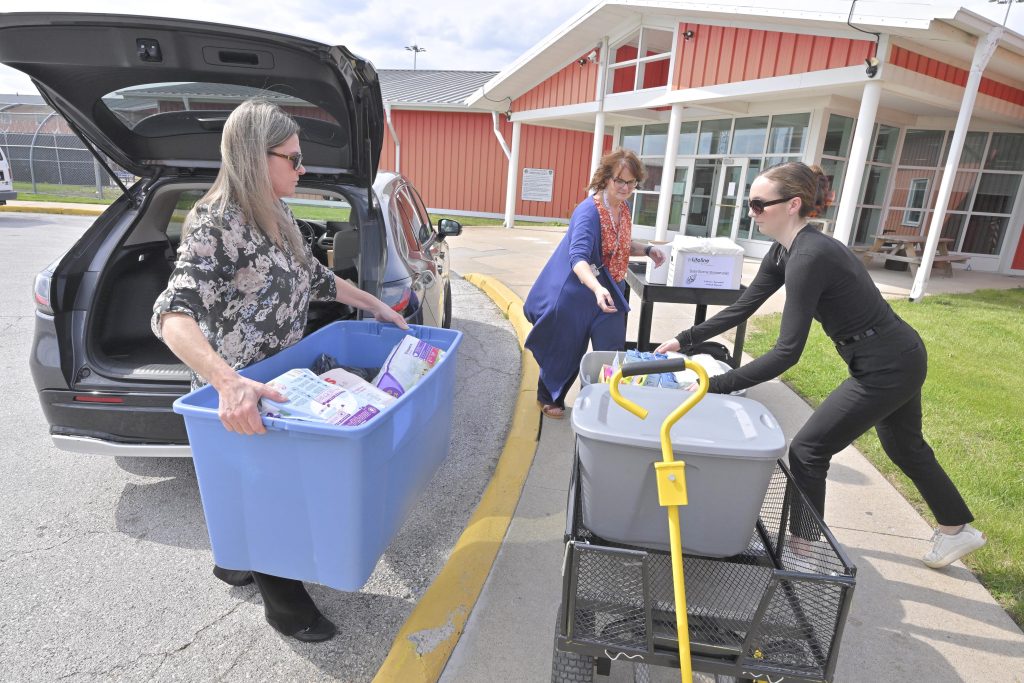
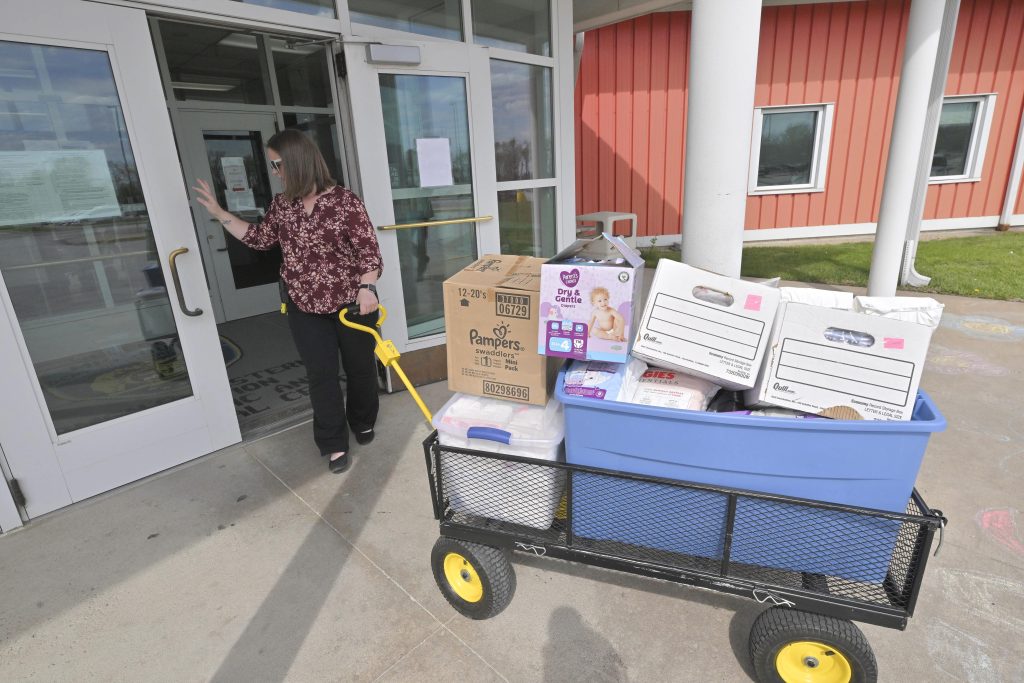
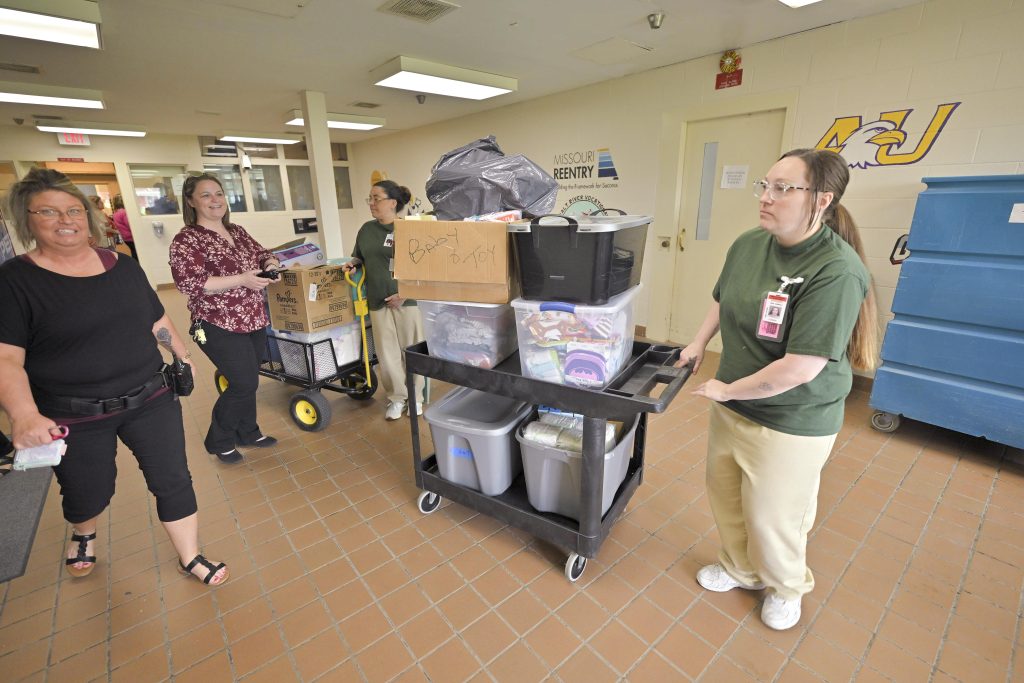
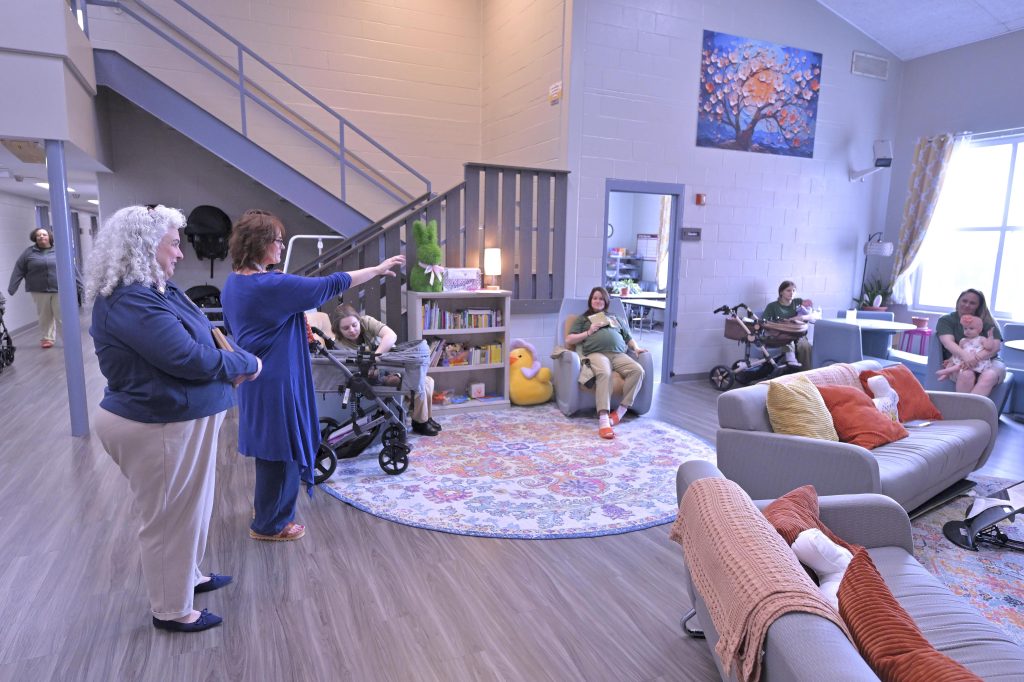
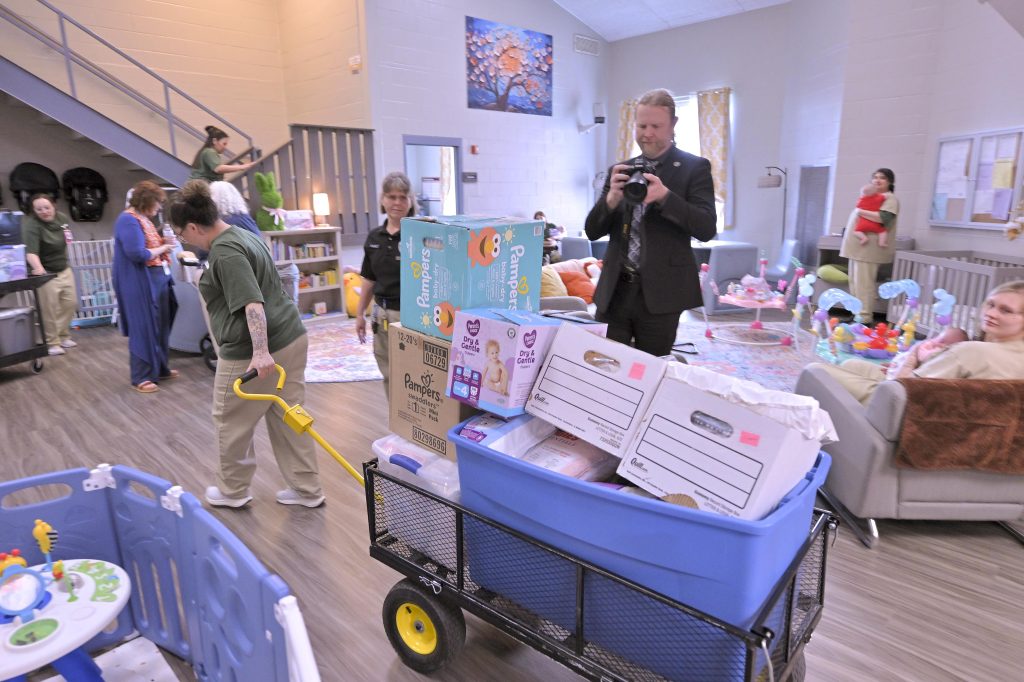
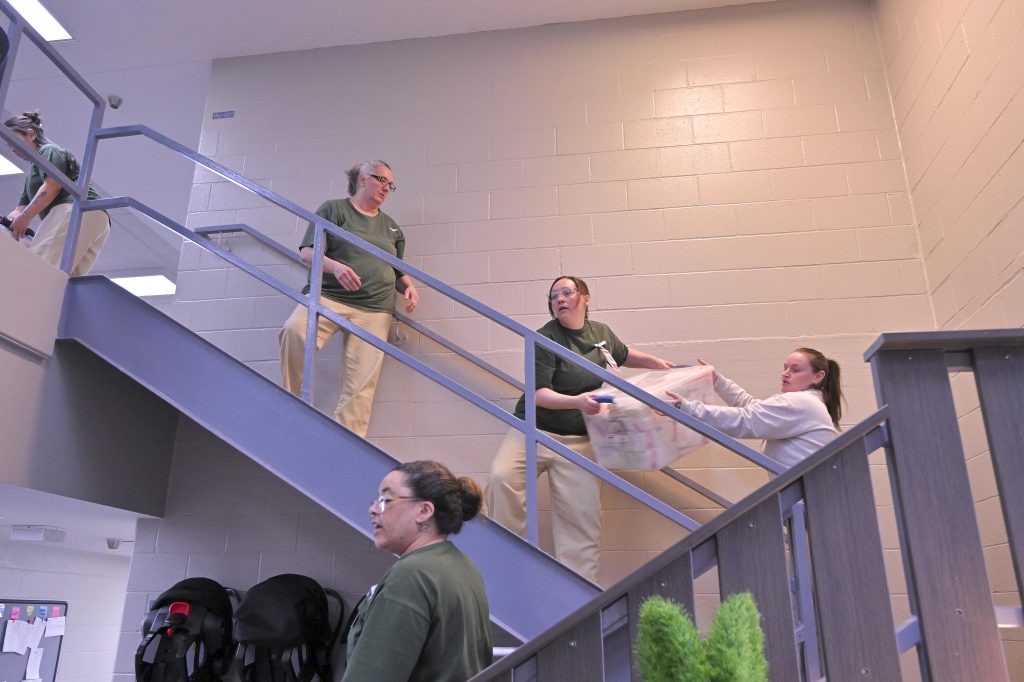
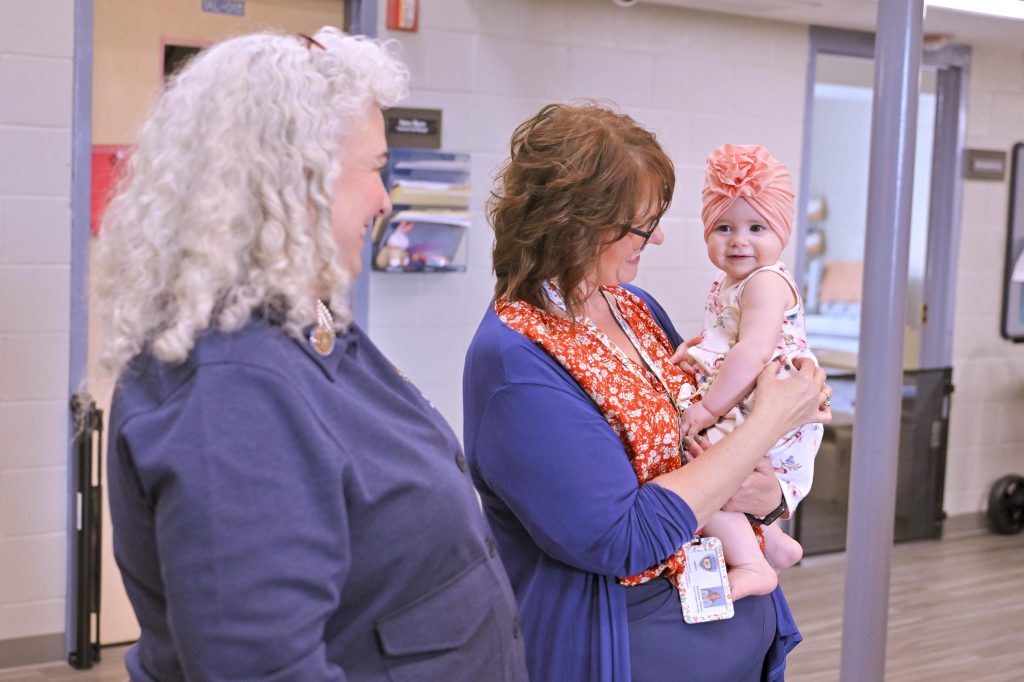
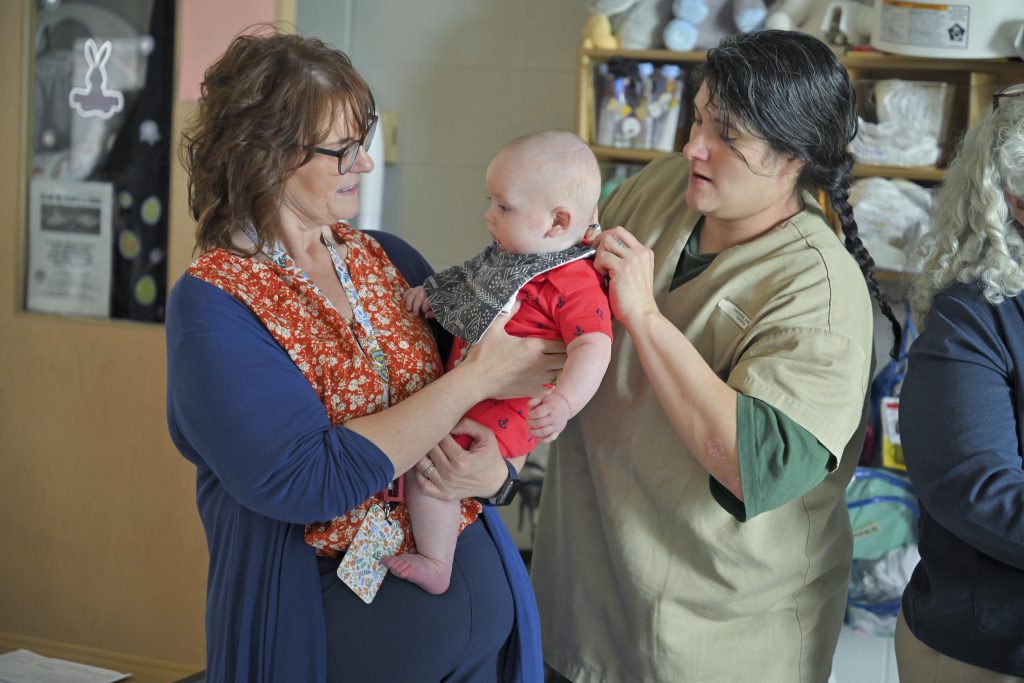
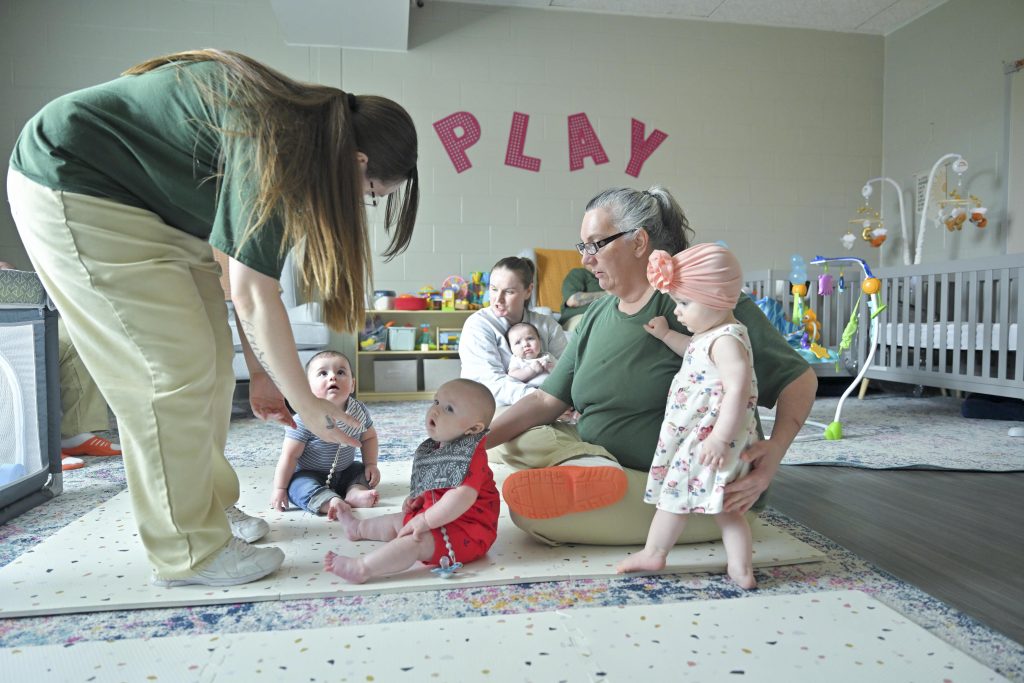
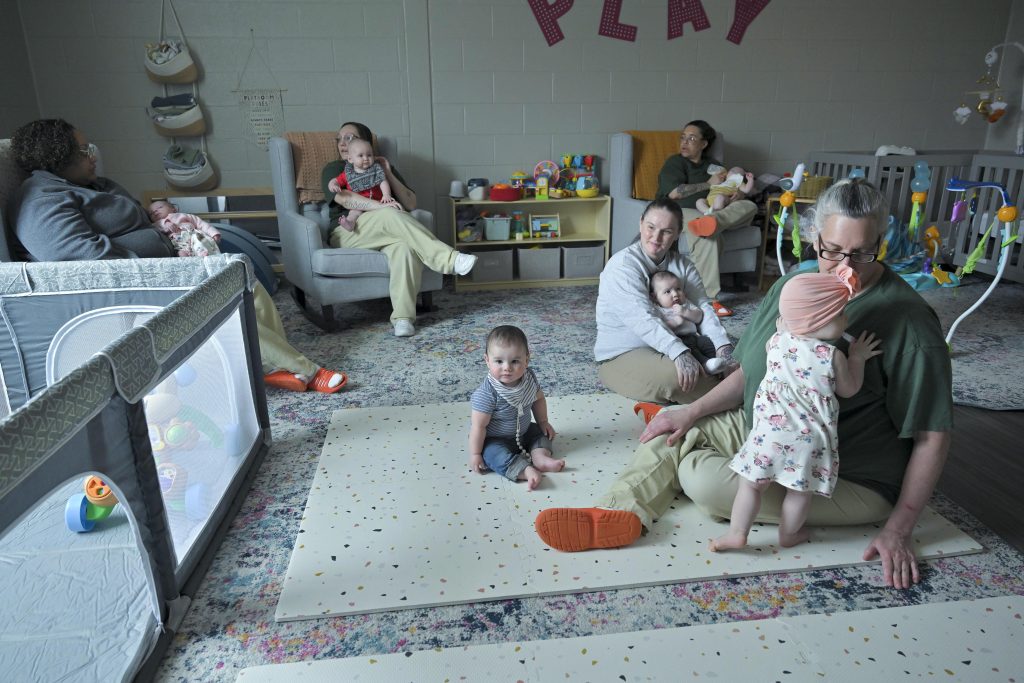
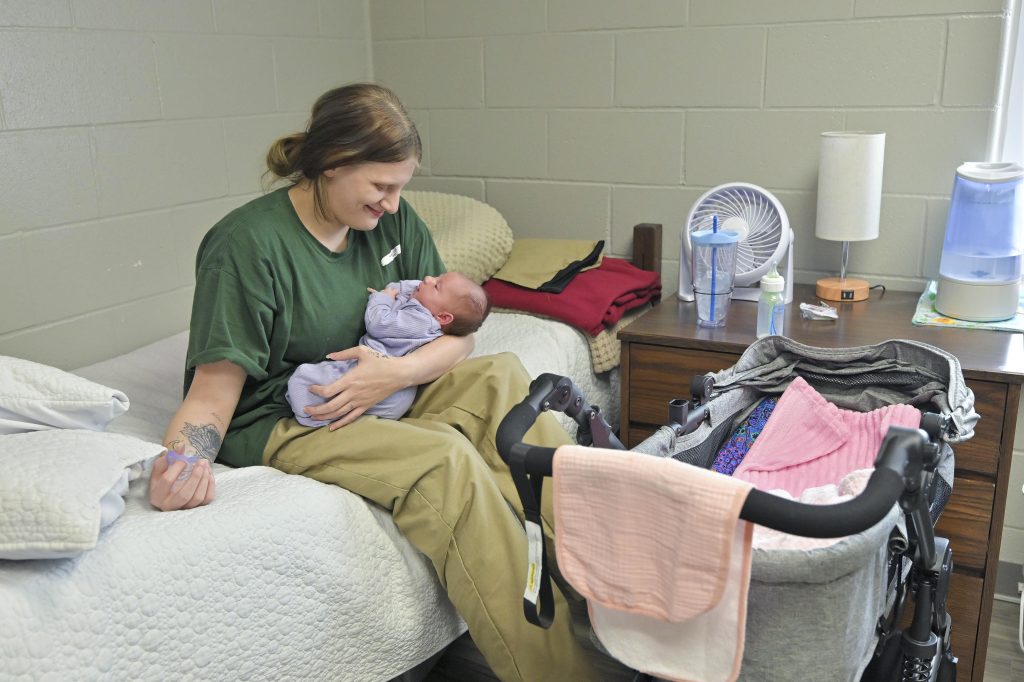
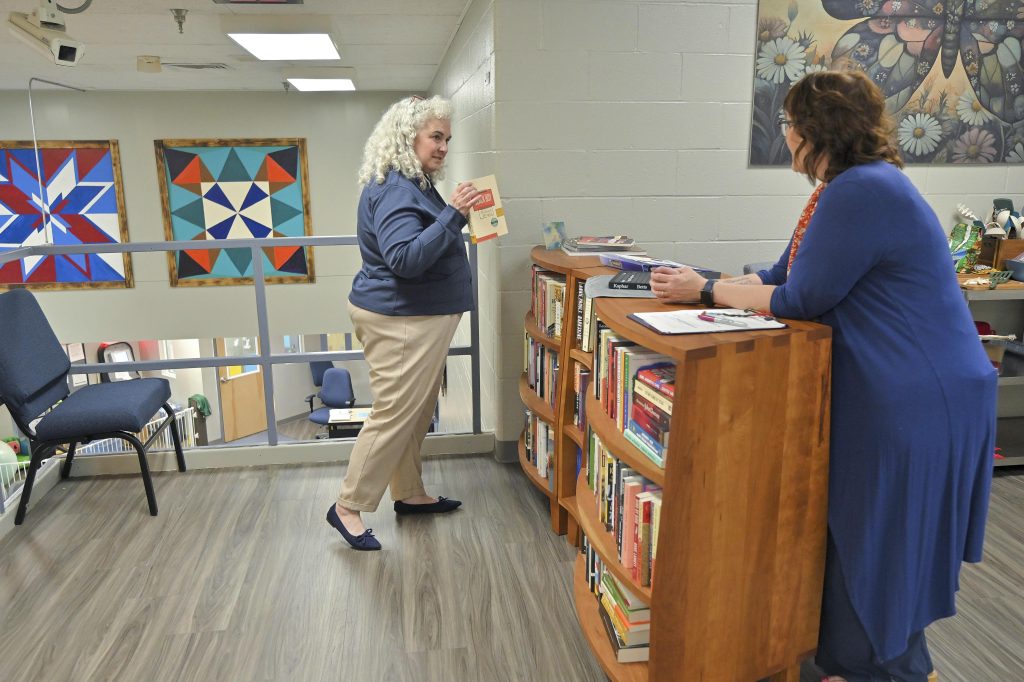
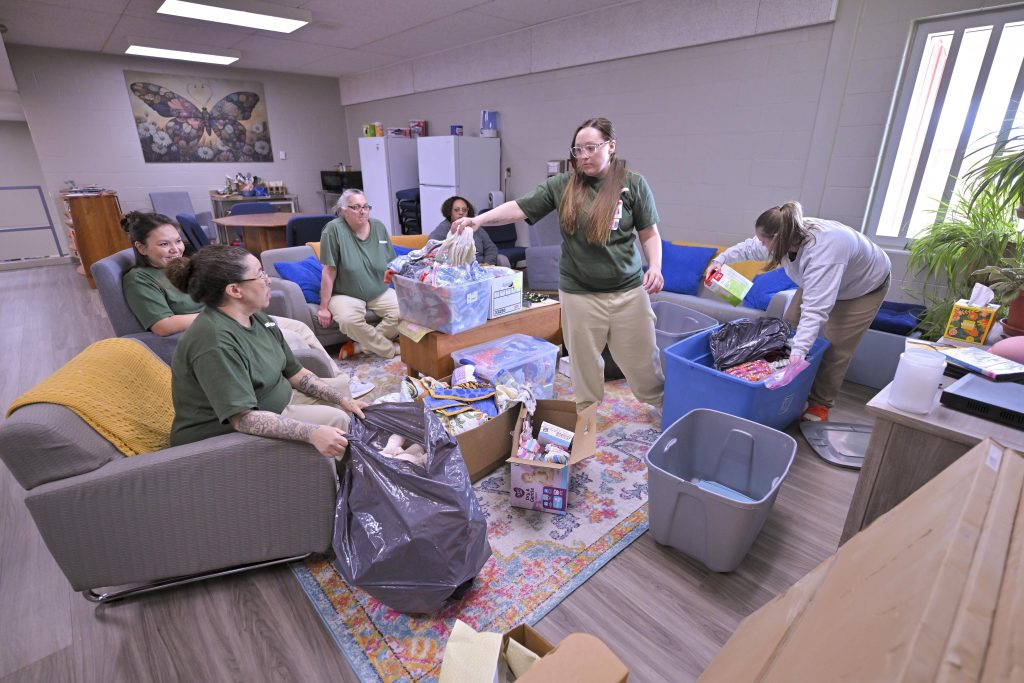
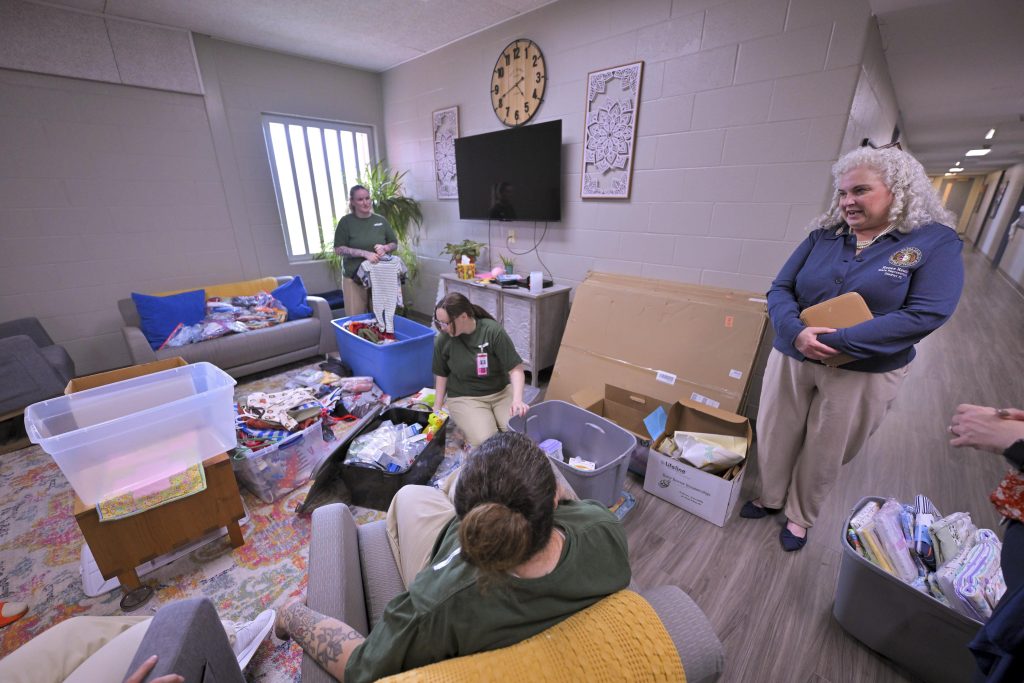
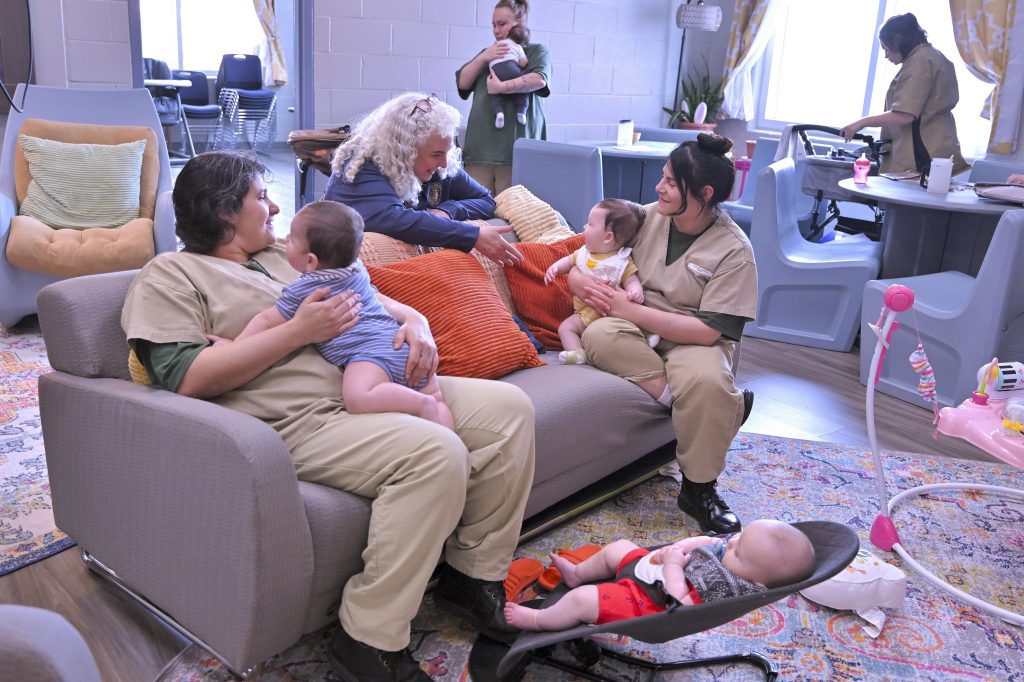
Members of the Missouri House of Representatives donated two carloads of clothing, food, toys, and other items for the mothers and babies in the nursery at the Women’s Eastern Reception, Diagnostic, and Correctional Center.
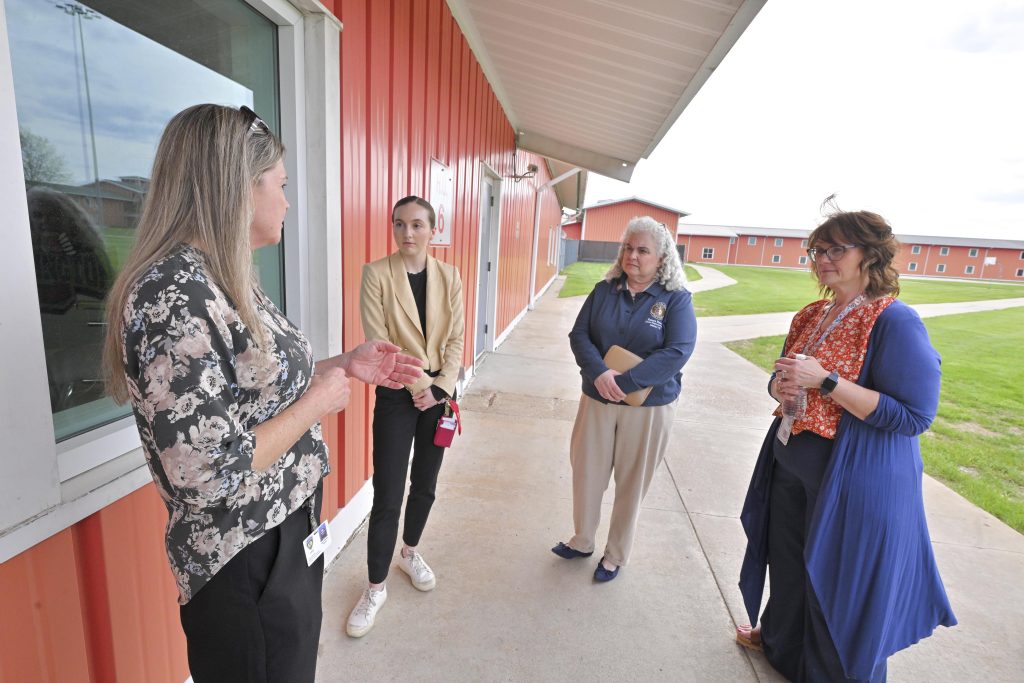
Representative Renee Reuter (R-Imperial) organized the drive, and had the opportunity to tour the facility and see how it is allowing incarcerated mothers bond with their babies, and learn the skills they will need in order to thrive and raise their families.
The House has voted to restore the right to vote to people who are on probation or parole for a felony conviction.
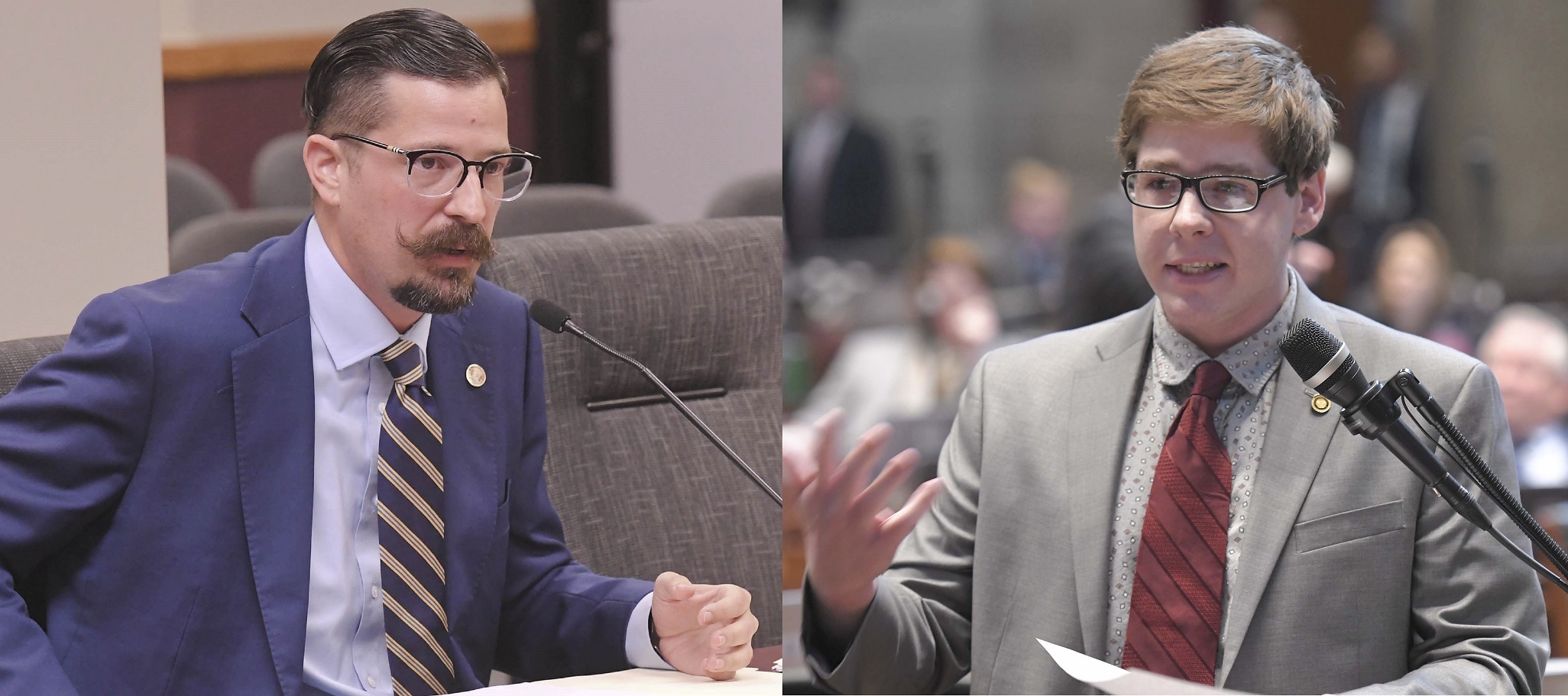
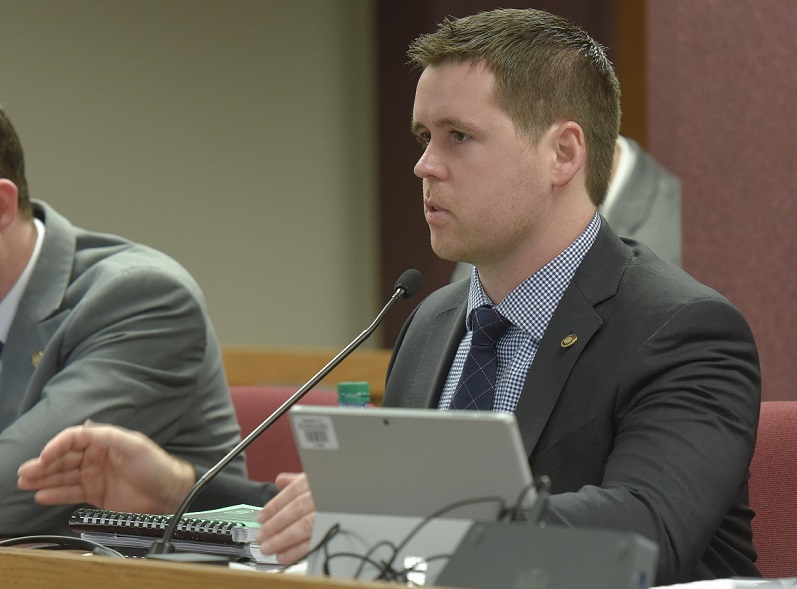
Representatives Kimberly-Ann Collins, Melanie Stinnett, and Marlon Anderson present legislation to restore voting rights to individuals on probation and parole to a House committee. (Photo: Tim Bommel, Missouri House Communications)
Missouri is one of 17 states that withhold the rights of convicted felons to vote until they complete probation or parole. The proposal would restore that right as long as the person’s crime was not related to voting.
Anderson has proposed this change in each of his six years in the legislature. He says he believes in this largely because of what he experienced while working as a probation and parole officer.
This was the first proposal Stinnett ever filed, and like Anderson, she has been offering it ever since. She said it resulted from an experience she had while knocking on doors during her first campaign.
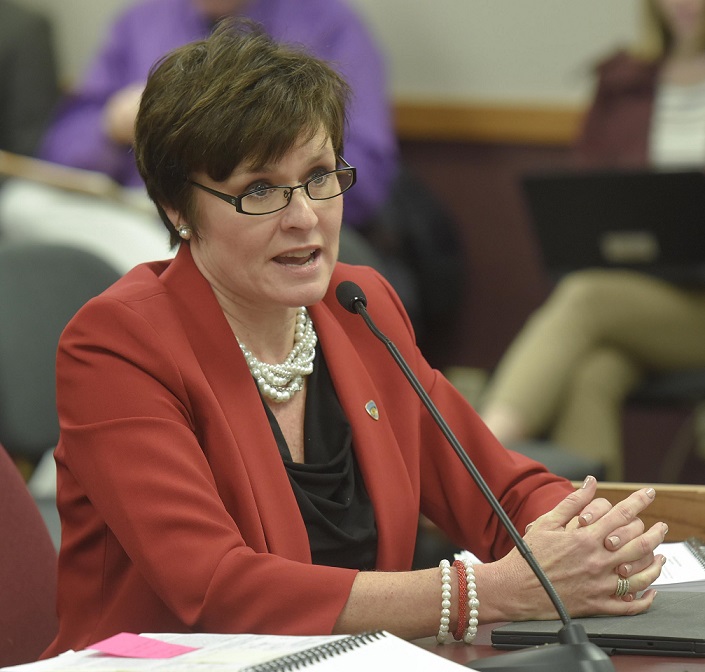
Representative Melanie Stinnett said it was an encounter with someone she met while running for the House for the first time that prompted her to make this the first proposal she filed. (Photo: Tim Bommel, Missouri House Communications)
Another representative who has filed such legislation, LaKeySha Bosley (D-St. Louis), said for it to be passed out of the House, and early enough in session to give it a realistic chance of clearing the Senate as well, gives her hope.
A House committee has advanced a proposal to set a flat rate on how much inmates are charged to make phone calls home from the state’s jails and prisons, to promote family communication even during times of incarceration.
Representatives Aaron McMullen and Michael Davis (Photos: Tim Bommel, Missouri House Communications)
According to data presented to the House Committee on Corrections and Public Institutions, some facilities are charging more than $1 a minute for a phone call, and on average, a 15-minute phone call costs $5.74. One study found that more than one-third of families with incarcerated relatives went into debt due to the costs of keeping in touch with those loved ones.
McMullen and Kansas City Republican Michael Davis are sponsors of a proposal to cap the cost to inmates at $.12 per minute. Davis said their plan for facilities in Missouri is based on how the federal government regulates calls from correctional centers that cross state lines.
The pair said their goal is to keep families in contact even during periods of incarceration. They said children who have limited contact with incarcerated parents have an increased risk of self-harm and suicide, and incarcerated parents who have contact with children are less prone to substance abuse or reoffending, upon release.
They said many families with incarcerated loved ones are poor, and high phone rates over the course of a year can amount to a third or more of a family’s income at a time when one of its providers is already absent.
A similar bill last year was approved by the committee 9-0. Committee members discussed possibly adding a cap on the cost of inmate email communications to this proposal.
Some state lawmakers have questioned whether Missouri will soon need another prison, but the prison system’s new director hopes to keep that from being necessary.
Missouri Department of Corrections Director Ann Precythe testifies to the House Budget Committee February 14, 2017. (photo; Tim Bommel, Missouri House Communications)
House Budget Committee Chairman Scott Fitzpatrick told his committee and Corrections Department leaders this week that he’s concerned about the overall trend in recent years, of an increase in Missouri prisons’ populations. Department staff said the state’s prisons are operating at or near capacity, with around 32,000 inmates.
Fitzpatrick referenced a recent case in which a man who molested and exposed himself to his girlfriend’s 14-year-old daughter was sentenced to only a few months in prison.
Precythe, who was chosen in December by Governor Eric Greitens to head the department, said she’s not ready to discuss what policy changes she might ask for in addressing recidivism and prisons’ populations. She expects to be able to tell lawmakers by next year what the future of the state’s prison system looks like.
Precythe said the age of Missouri’s prisons must also be accounted for when considering whether additions are necessary. The state’s oldest, Algoa Correctional Center near Jefferson City, is a minimum-security facility that became a prison in 1932. The new director has toured it and said it appears to be meeting what Missouri needs of it.