Those who drive drunk and cause an incident that claims the life of a parent or guardian could be required to pay child support to the surviving children under one of the final proposals passed by the Missouri General Assembly this year.
Mason and Bentley were in the House as it voted to send the legislation bearing their names to Governor Mike Kehoe (R). Here, they hold a photo of their mother, Lacey Newton, father Cordell Williams, and brother Cordell Williams II. They are joined by (left to right) Heather Elder, Victim Service Specialist with Mothers Against Drunk Driving; their grandmother, Cecelia Williams; Rep. Cecelie Williams; and Sgt. Cody Umfress and Captain Steve Schaffer of the Byrnes Mill Police. (Photo: Tim Bommel, Missouri House Communications)
“Mason and Bentley’s Law” is named for two sons of Lacey Newton and Cordell Williams, who, along with their four-month-old son, Cordell II, were killed in a crash in April 2021. The driver was later convicted of three counts of involuntary manslaughter and sentenced to eight years in prison.
Mason, now 7, and Bentley, 9, are being raised by Cordell’s mother, Cecelia Williams, and her husband. Williams developed the legislation in the boys’ honor and was present in the House chamber when lawmakers voted to send the bill to the governor.
The proposal was sponsored in the House by Representative Cecelie Williams (R-Dittmer), who said it was an honor to work on legislation that honors the legacy of the boys’ parents.
Bentley and Mason’s Law was proposed in response to the deaths of Lacey Newton, Cordell Williams, and Cordell Williams II, who were killed in a crash caused by a drunk driver in April, 2021.
Bentley and Mason attended committee hearings and floor proceedings throughout the legislative process, including the final House vote. Cecelia Williams said the boys understand what the legislation could mean for other families.
Rep. Williams noted that versions of the legislation have become law in eight other states and three territories and have been introduced in dozens of other states and countries. In those places it is known as “Bentley’s Law.” Only in Missouri, where the idea originated, will it officially be called “Bentley and Mason’s Law.”
Bentley celebrated with Rep. Cecelie Williams after the law bearing his name, and honoring his parents, was voted out of the House to to go to Governor Mike Kehoe (R). (Photo: Tim Bommel, Missouri House Communications)
Asked how it felt to see the proposal finally pass in Missouri, Cecelia Williams said the moment was emotional.
Under the legislation, if the surviving parent or guardian obtains a judgment in a civil lawsuit against the responsible driver before child maintenance is ordered, no maintenance order will be issued. If a civil judgment is obtained after a maintenance order is in place, the order will be offset by the amount of the judgment. Likewise, any payments received from an insurance provider will offset the maintenance obligation.
The proposal, which Senator Mike Henderson (R-Desloge) carried when he was in the House, passed as Senate Bill 1135, which the House approved by a vote of 127-2 before sending it to Governor Mike Kehoe. The bill now awaits the governor’s decision to sign it into law, veto it, or allow it to become law without his signature.
A Missouri teenager who took her own life after being bullied at school has inspired legislation in her name, bills that aim to prevent similar tragedies and to spare families of one aspect of the pain that followed her death.
Representative Mazzie Christensen (Photo: Tim Bommel, Missouri House Communications)
The legislation has been supported by testimony from her family and carried by a representative who is a family friend.
Representative Mazzie Christensen’s (R-Bethany) friend was Sawyer’s guardian and raised her when her parents lost custody of her due to abuse and neglect, some of it related to drug use. Through her, Christensen learned what Sawyer went through the afternoon before she took her own life.
Legislation sponsored by Christensen and Representative John Black (R-Marshfield) would require schools to update their antibullying policies, and require that charter schools to adopt such policies.
Black has carried the legislation for several years, also motivated in large part by one incident, and the lack of response by the school in which it happened.
Legislation from Christensen and Black, combined into House Bill 2120, would require districts’ policies to lay out how districts will respond when investigations find that bullying has occurred.
House Bill 2120 would reinforce current statutory definitions of “bullying,” “school violence,” and related crimes, and their classification under Missouri’s child abuse laws. These statutes require reporting certain cases to child abuse investigators – reports which trigger investigation by child welfare officials and, in some cases, law enforcement.
Representative John Black (Photo: Tim Bommel, Missouri House Communications)
Response to bullying, as laid out in the bill, must include notification of the parents or guardians of the students who engaged in bullying, and a requirement that those students participate in prevention programs.
It would restrict the application of “zero-tolerance” policies – policies that any act of violence must result in discipline, regardless of circumstances – for any student who is a victim of bullying. Statements regarding victims of bullying acting in self-defense would have to be considered by administrators when determining disciplinary action. Charter schools would be banned from expelling or transferring students solely due to reports of bullying.
District employees and volunteers who interact with students would have to be trained annually on bullying intervention, and about liability for actions or failures to act. The bill would extend legal protection to school employees and volunteers who step in to stop incidents, as long as they follow proper procedures and act in good faith.
Acts of bullying and related discipline would have to be reported to the school board monthly, to be reviewed in a closed meeting and addressed by the board within 30 days.
Christensen’s other bill inspired by Sawyer aims to ensure that those making decisions for dealing with the remains of a loved one who is a minor were the people who loved and cared for them in life.
Christensen said after Sawyer’s death, current law ensured that decisions regarding her internment and funeral fell to her next of kin. This meant her father, who had lost custody of her because he had been abusing her.
House Bill 1696 would specify that when a minor with a court-appointed guardian dies, that guardian will have final say in the care of the remains unless they are under investigation for the minor’s death. In cases of co-guardianship or joint custody, the guardian or parent with whom the minor resides will have the stronger claim to that authority. It also stresses that the religious, cultural, and individual beliefs of the deceased must be considered in making final arrangements.
The House voted 118-8 to send the bullying policy legislation to the Senate, where it has been voted out of a committee. With one week left in the session, Rep. Black is hopeful it will be acted on before Friday, and if necessary, he believes others will continue to fight for this proposal next year.
Christensen’s right of sepulcher legislation passed out of the House 140-0. A Senate committee voted to advance the bill with changes, and it awaits action by the full Senate.
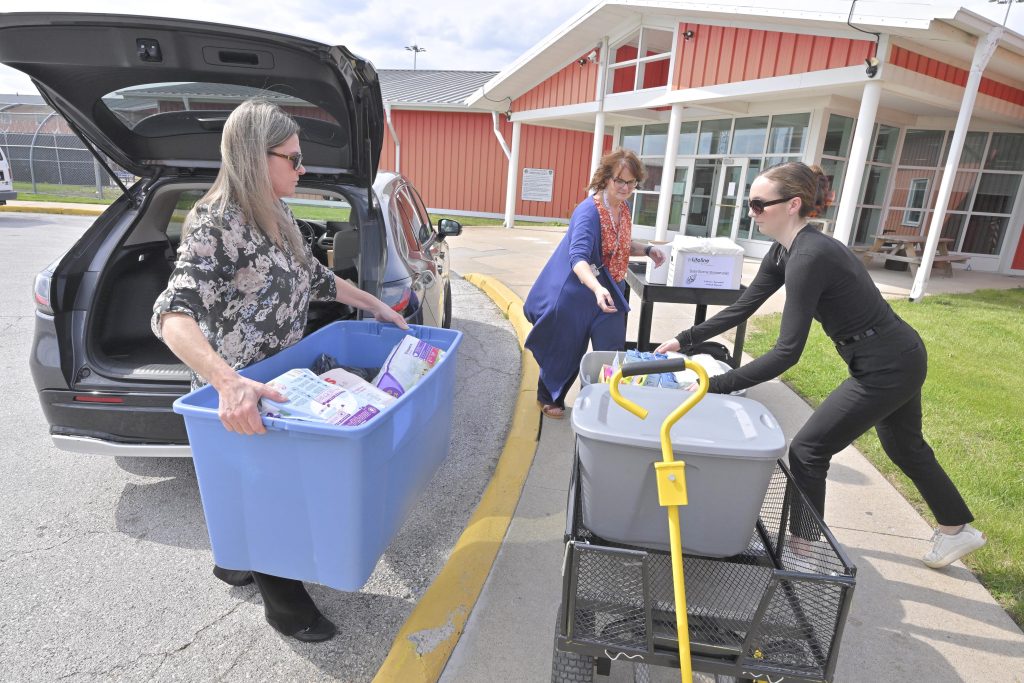
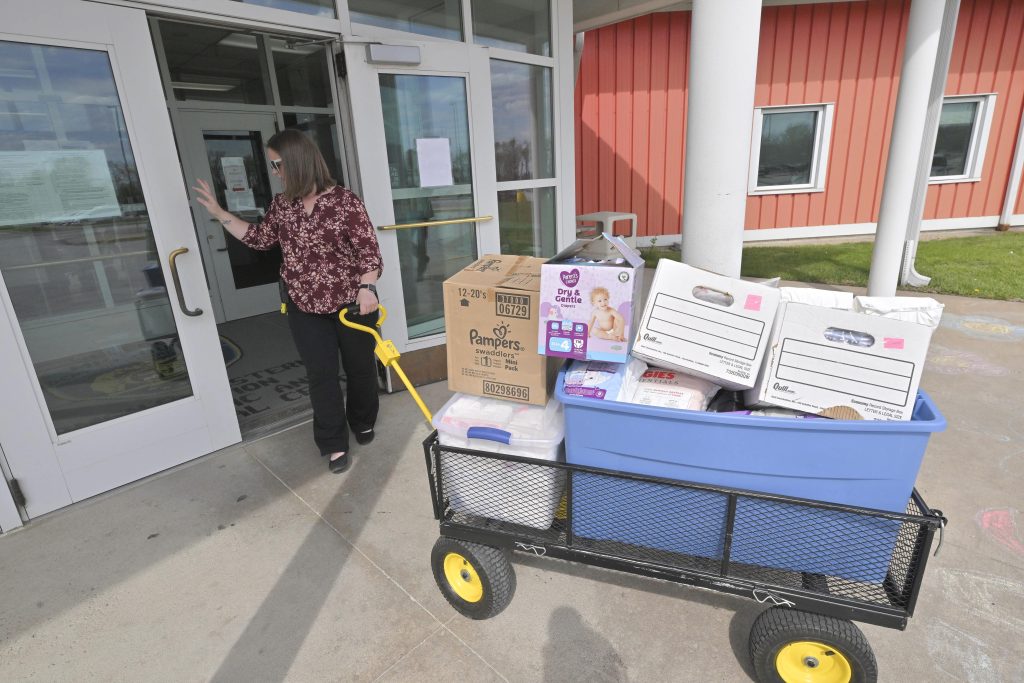
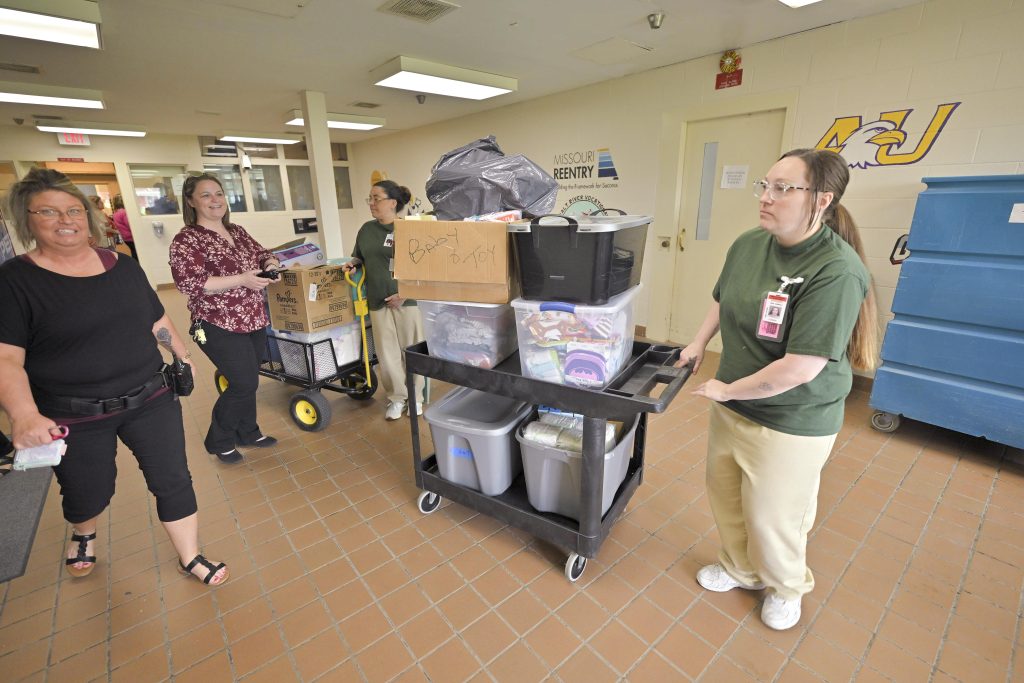
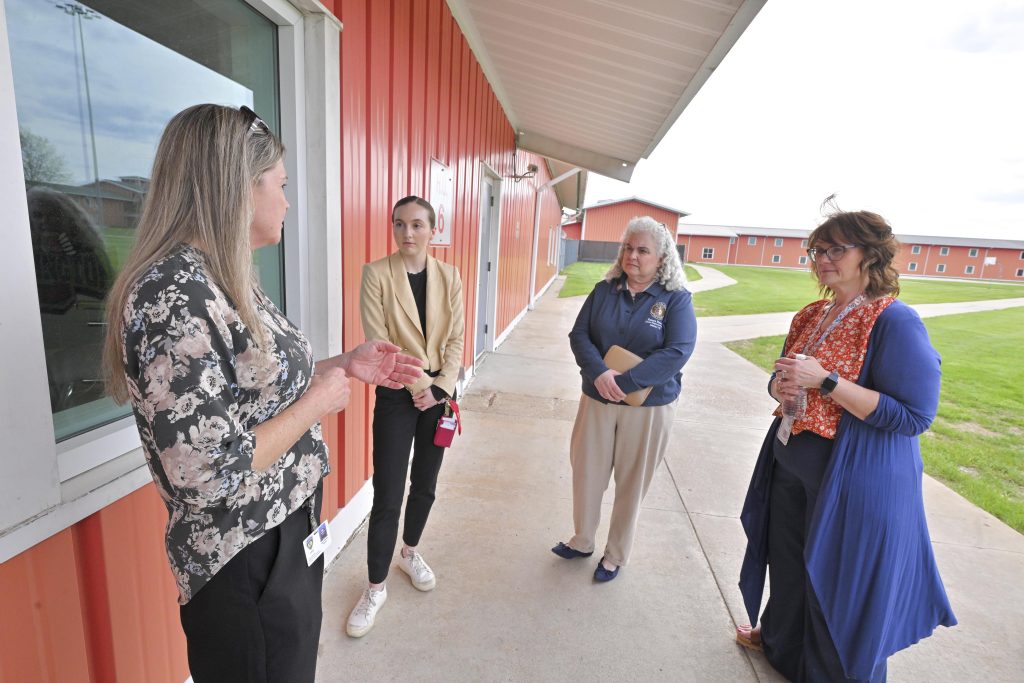
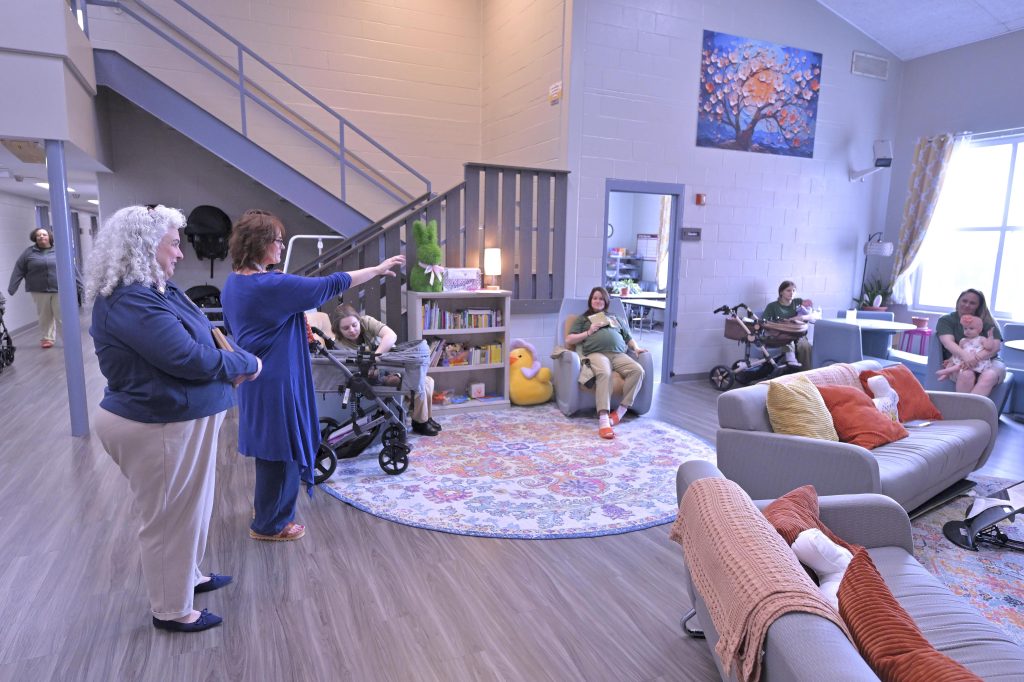
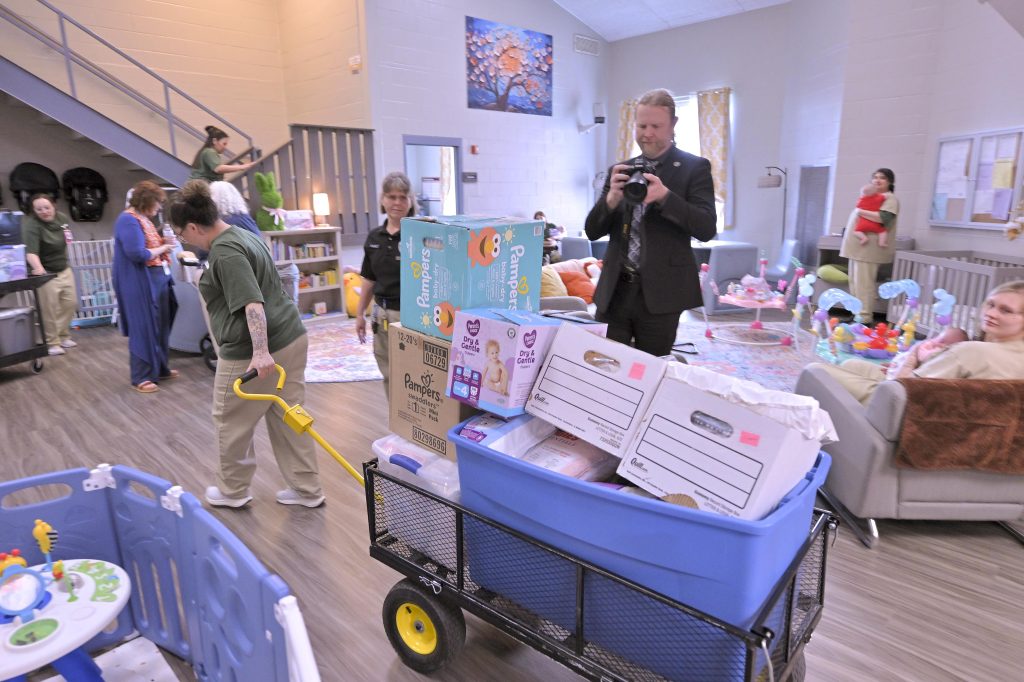
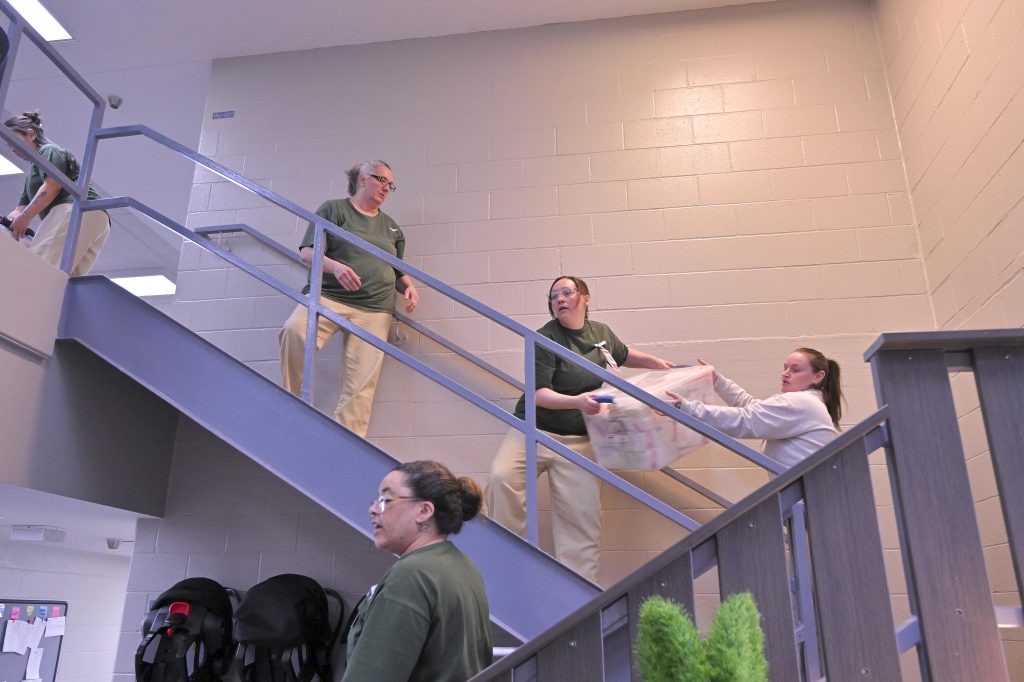
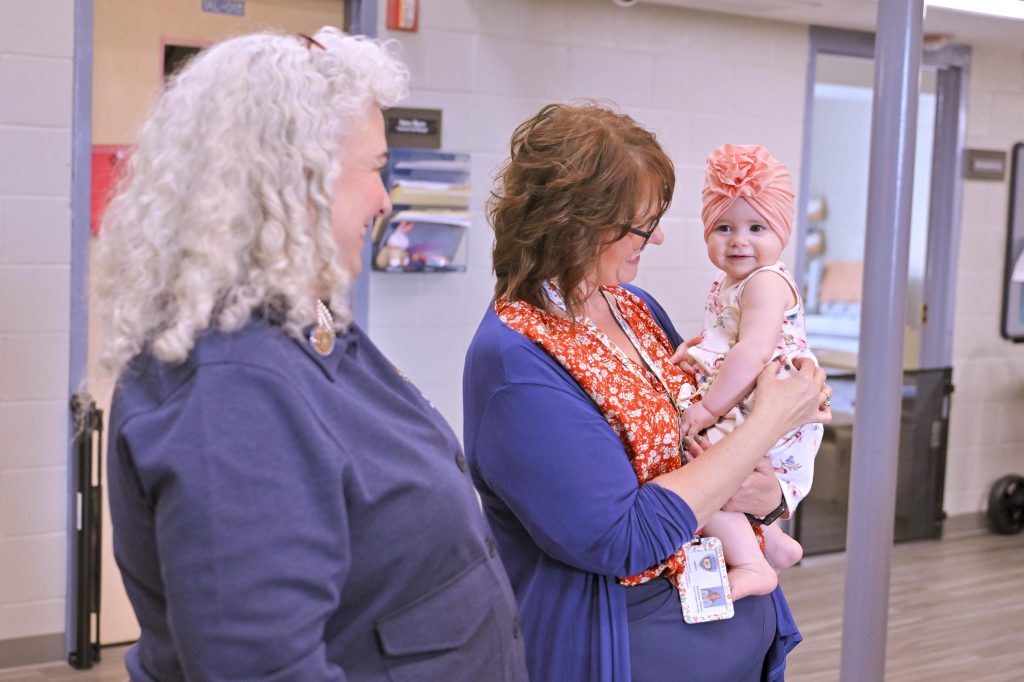
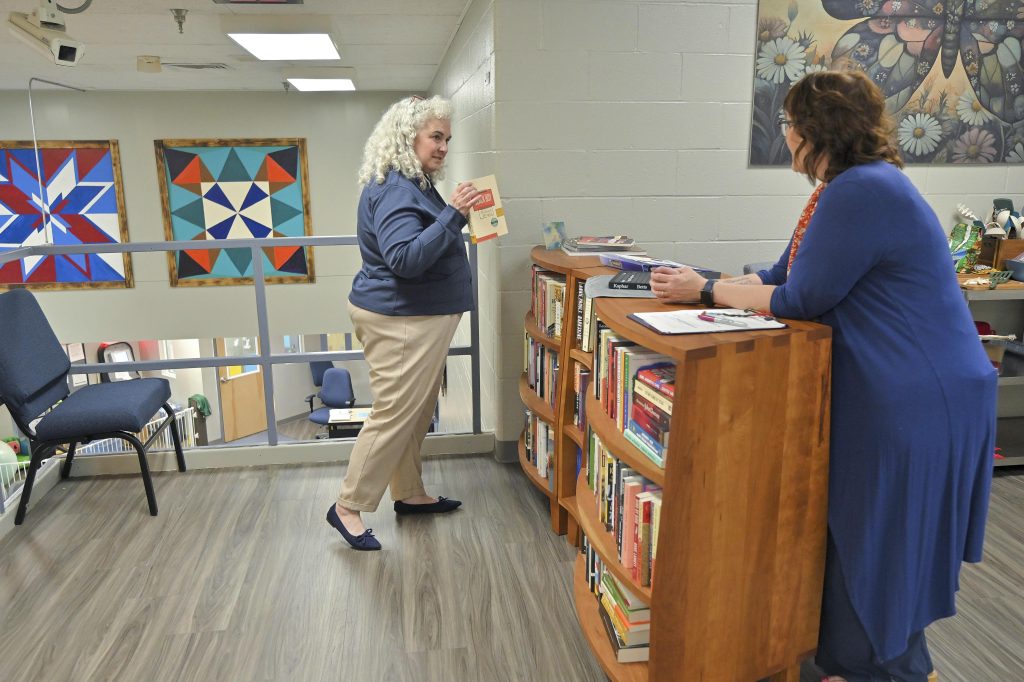
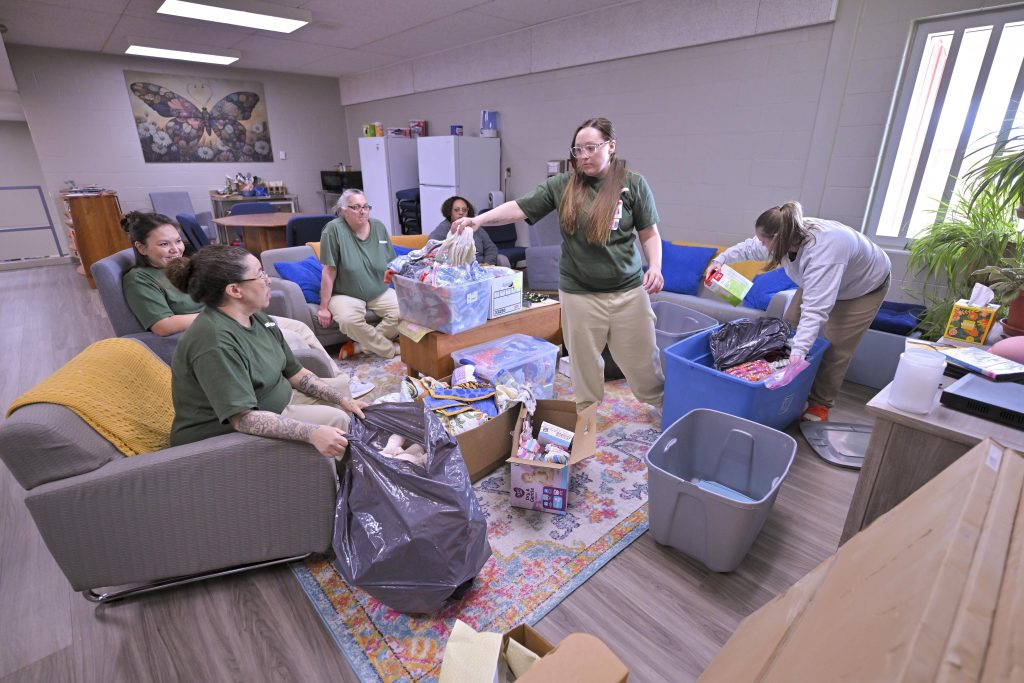
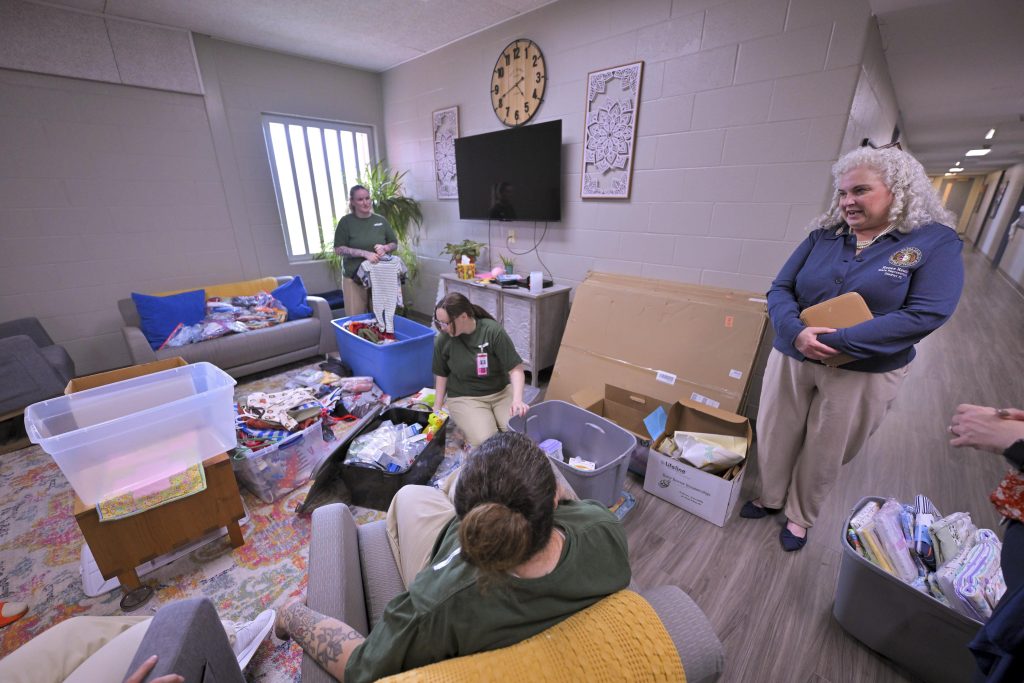
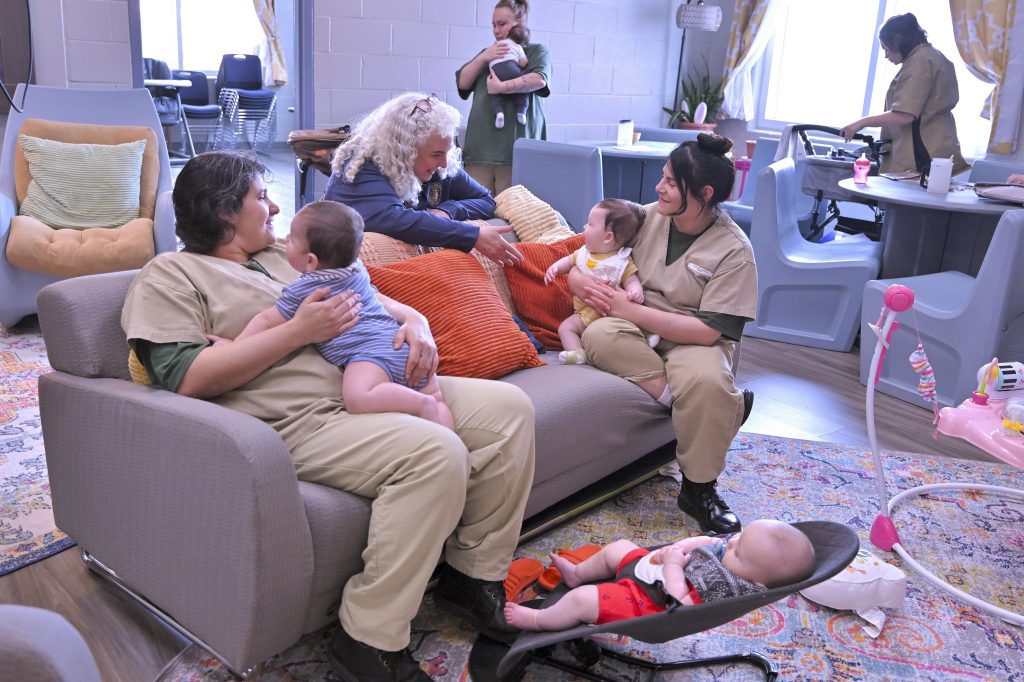
Members of the Missouri House of Representatives donated two carloads of clothing, food, toys, and other items for the mothers and babies in the nursery at the Women’s Eastern Reception, Diagnostic, and Correctional Center.
Representative Renee Reuter (R-Imperial) organized the drive, and had the opportunity to tour the facility and see how it is allowing incarcerated mothers bond with their babies, and learn the skills they will need in order to thrive and raise their families.
The House has voted to restore the right to vote to people who are on probation or parole for a felony conviction.
Representatives Kimberly-Ann Collins, Melanie Stinnett, and Marlon Anderson present legislation to restore voting rights to individuals on probation and parole to a House committee. (Photo: Tim Bommel, Missouri House Communications)
Missouri is one of 17 states that withhold the rights of convicted felons to vote until they complete probation or parole. The proposal would restore that right as long as the person’s crime was not related to voting.
Anderson has proposed this change in each of his six years in the legislature. He says he believes in this largely because of what he experienced while working as a probation and parole officer.
This was the first proposal Stinnett ever filed, and like Anderson, she has been offering it ever since. She said it resulted from an experience she had while knocking on doors during her first campaign.
Representative Melanie Stinnett said it was an encounter with someone she met while running for the House for the first time that prompted her to make this the first proposal she filed. (Photo: Tim Bommel, Missouri House Communications)
Another representative who has filed such legislation, LaKeySha Bosley (D-St. Louis), said for it to be passed out of the House, and early enough in session to give it a realistic chance of clearing the Senate as well, gives her hope.
A plan to help good fathers overcome anything that keeps them from being with their children has been given overwhelming bipartisan support through the House, and has been sent to the Senate.
Representative Jamie Gragg (Photo: Tim Bommel, Missouri House Communications)
House Bill 1948 would create the “Missouri Fathership Project” in the Department of Social Services. Representative Jamie Gragg (R-Ozark), the bill’s sponsor, said the Project would promote fatherhood engagement and empower dads to become successful in engaging with their children.
Gragg’s proposal would create the Missouri Fathership Project Grant Program and an accompanying fund. This would support grants for family-focused community agencies, faith-based agencies, family advocacy programs, and nonprofits to have Fathership Project specialists on staff.
Representative Pattie Mansur (Photo: Tim Bommel, Missouri House Communications)
Another provision in the bill states that fathers participating in the program are eligible for limited driving privileges when those might have otherwise been revoked, and protected from having occupational or professional licenses revoked.
That section also prevents participating fathers from losing hunting or fishing licenses. Dolan said this is because for many fathers, especially those who are struggling, hunting and fishing allow them to provide for their families.
Representative David Dolan (Photo: Tim Bommel, Missouri House Communications)
The legislation received unanimous votes in two committees and passed out of the House 141-4. Along the way, some of its most vocal supporters were Democrats, including Representative Raychel Proudie (D-Ferguson).
Representative Marlene Terry (D-St. Louis) said it’s a shame that such a program is needed, but there is no doubt that it is, and some of the state’s own systems are the reason for that.
In addition to creating the Missouri Fathership Project, HB 1948 would make Jone “Fathership Month,” encouraging activities and events to raise awareness about the importance of fathers being a part of the lives of their children.
A bipartisan effort to create a registry of individuals convicted of repeated domestic violence is ready for consideration by the full Missouri House.
Representatives Tiffany Price (left), Raychel Proudie (center), and Ann Kelley (right) are sponsors of legislation that would create a registry of persistent domestic violence offenders in Missouri. They say it could offer people a chance to avoid entering into relationships with individuals who have a history of abuse. (Photo: Tim Bommel, Missouri House Communications)
Bills sponsored by Representatives Ann Kelley (R-Lamar), Raychel Proudie (D-Ferguson), and Tiffany Price (D-Kansas City) would define “persistent domestic violence offenders,” and require those convicted after January 1, 2027 to be placed on the new registry. It would work much like the existing sex offender registry, but with no address.
Kelly’s bill is called “Adriana’s law,” for Adriana Horton, a 12-year-old girl from Golden City, who was abducted, sexually assaulted, and murdered by a habitual domestic abuser.
Proudie’s legislation is similarly named for Brianna Johnson of Wentzville, a mother of two who was pregnant with twins when she was murdered by a persistent domestic abuser in October, 2023.
House Bills 3058 (Price) and 2997 (Proudie) were combined into Kelley’s House Bill 3012 (Kelley) and passed out of the committee on a unanimous 17-0 vote. After clearing a second committee on Thursday morning, the legislation can now come up for debate in the full House.
These bills follow the creation of a registry in Tennessee which went online on January 1. In its first 41 days online, nearly 40,000 people had already visited that registry. Proudie said the legislation is modeled after what was passed by legislators there, and that it would only be applied to those who have already been the subject of due process.
The legislation would also create a “Domestic Violence Prevention Fund,” and a prevention program that would award grants using money from that fund, to support prevention and intervention services. The fund would be supported by $50 out of a registry fee of $150, to be paid for by each registrant.
The bill would create time frames for an offender to be removed from the registry. Its provisions would expire in 2032, and terminate the following year unless renewed by the General Assembly.
Representatives Colin Wellenkamp, Scott Miller, Mike Costlow, and George Hruza spoke about House Bill 3362 and House Bill 3364, legislation dealing with utilities, water protections, and the rapid growth of data centers in Missouri as AI infrastructure build-out continues.
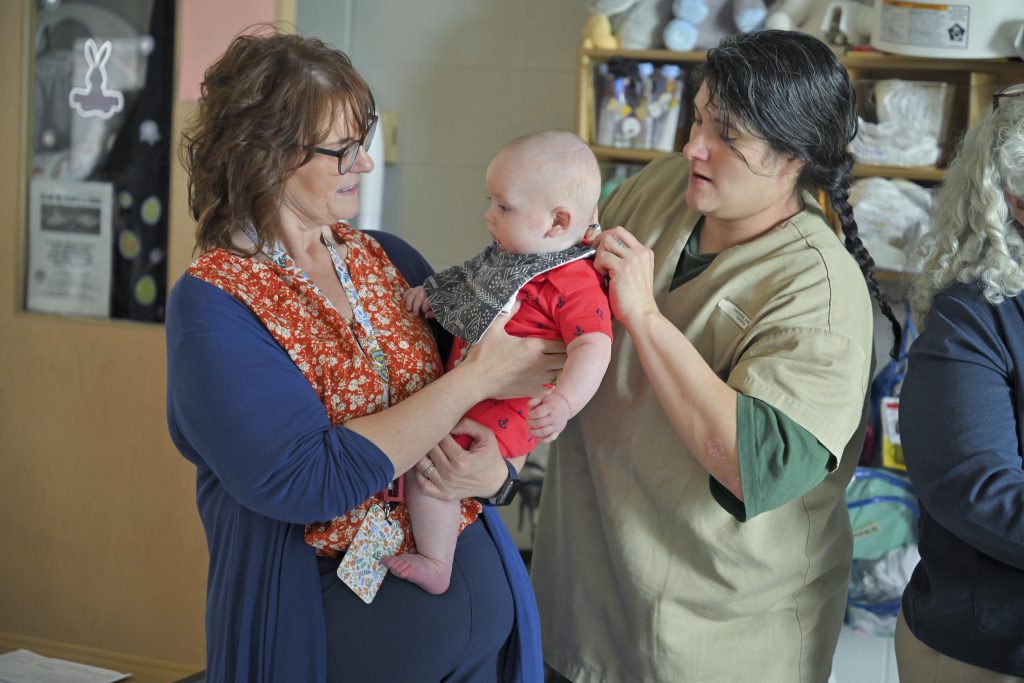
Most people thought it was a joke upon hearing it for the first time, even the man who went on to champion it through the legislature. It was an idea brought before the Missouri House four years ago, to put a nursery in one of the state’s women’s prisons.
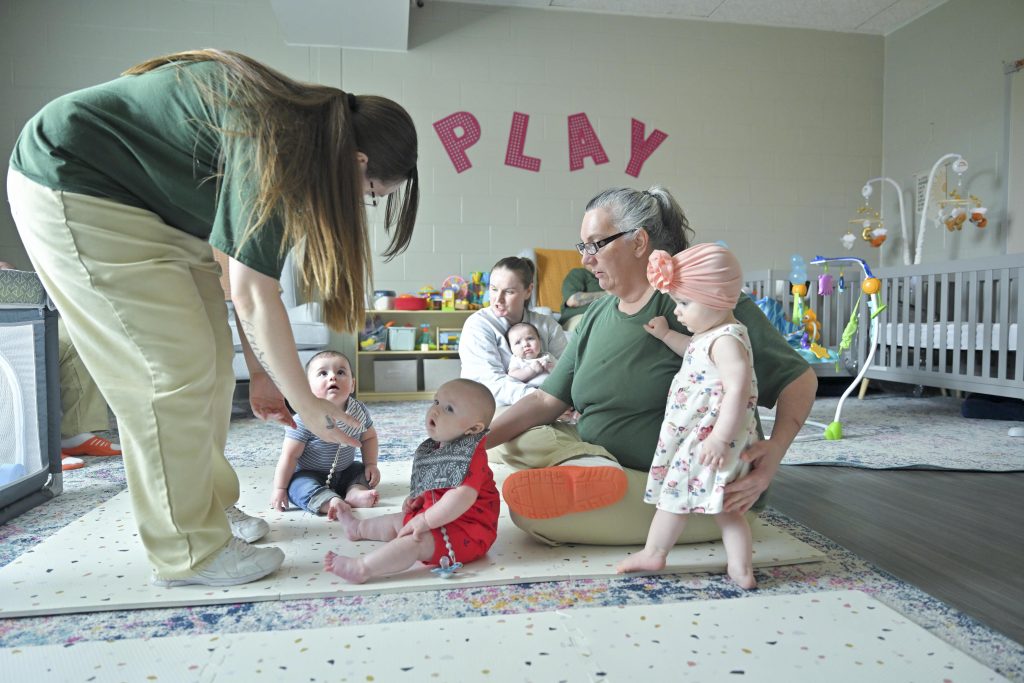
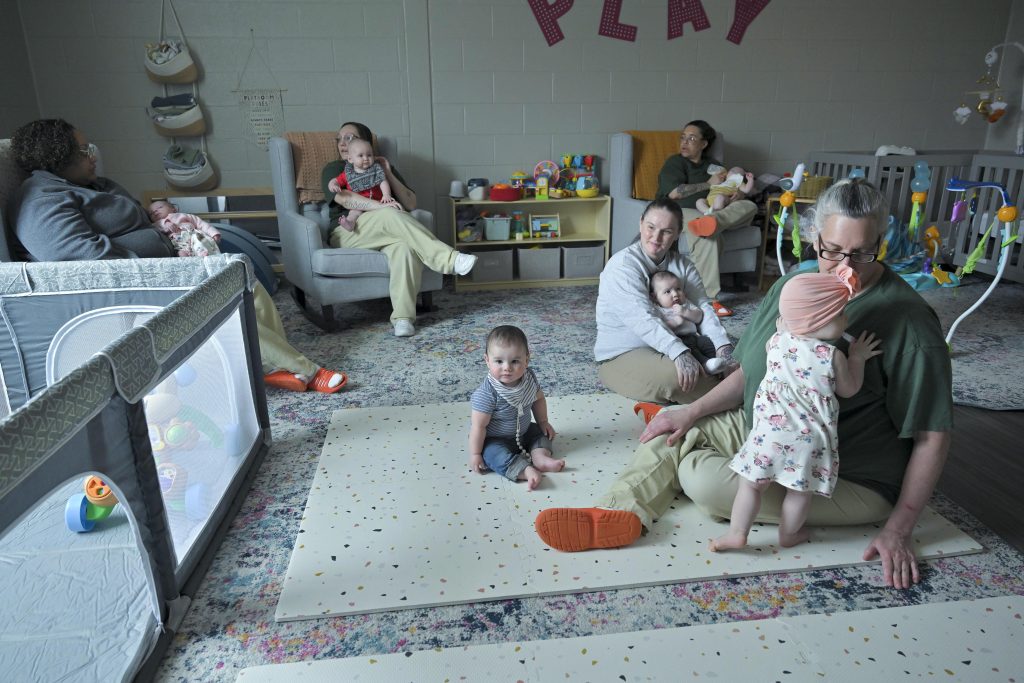
That idea was no joke, and that nursery is about to mark one year in operation. Visitors to the Women’s Eastern Reception, Diagnostic, and Correctional Center (WERDCC) in Vandalia say the nursery has changed the feel of the entire institution—and of everyone in it.
Video by Matthew Markivee, Missouri House Communications – Story continues below
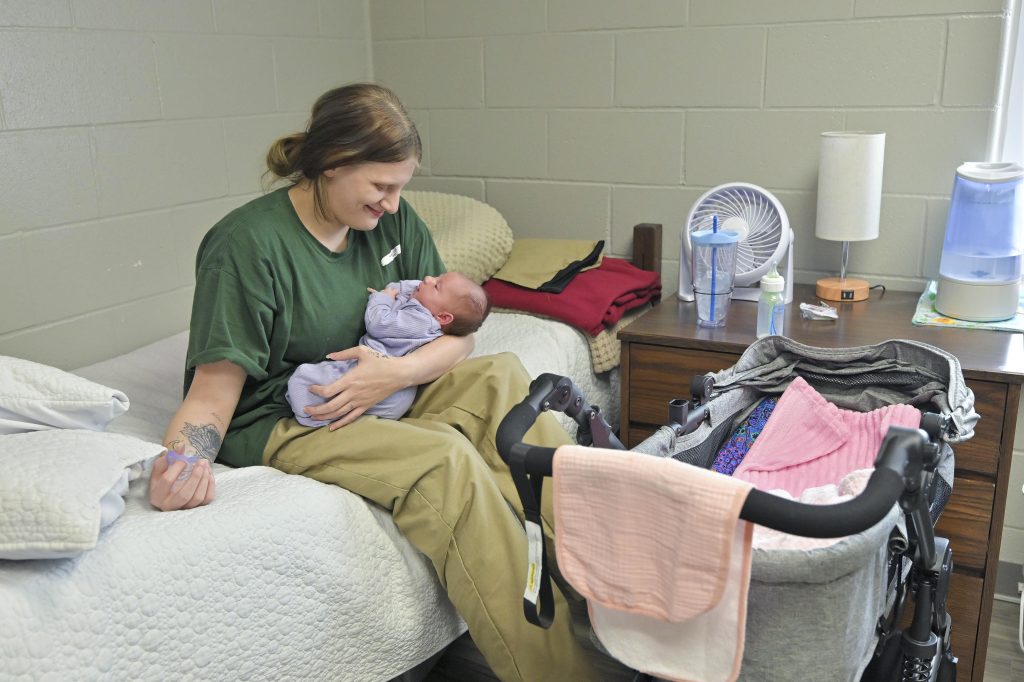
Cook and Allen found themselves in a fully reimagined wing of WERDCC’s Housing Unit 1, now dubbed “1A Nursery Wing.” Cells that once held up to six incarcerated women apiece have been repurposed. Most now house one or two mothers and their babies. Another cell has been converted into a kitchen, and others store supplies for mothers and babies, both for their stay and for when they leave.
There is an impressive supply of baby clothes; shelves full of formula and hygiene products; car seats and blankets; and stacks of diapers. Almost all of it is provided through donations.
Program Director Kim Perkins introduces Representative Bill Allen to one of the babies in the nursery at WERDCC in Vandalia. (Photo: Tim Bommel, Missouri House Communications)
The representatives found the women in the nursery—some mothers, some caregivers—to be candid and open about their lives. Several said the nursery is giving them something to work toward.
That is what legislators four years ago heard the nursery would do: stem recidivism. They were told that forming bonds in the first few months after birth is just as important for mothers as it is for babies. Bill sponsors and experts testified that by allowing incarcerated mothers to remain with their babies, the likelihood of reoffending decreases dramatically.
Representative Bennie Cook meets with some of the mothers and babies in Missouri’s first prison nursery, at WERDCC in Vandalia. (Photo: Tim Bommel, Missouri House Communications)
Tara Carroll, another of the caregivers in the nursery, spoke from experience about why programs like these can make a difference.
Carroll and Johnson have each experienced being pregnant and incarcerated before the nursery was an option.
Representatives Bill Allen (left) and Bennie Cook (right) called the nursery at WERDCC “Amazing,” and said they are anxious to see data on how well it performs. (Photo: Tim Bommel, Missouri House Communications)
Johnson and Carroll are grateful to be a part of a different reality for the moms who have been accepted into the nursery program, moms like Kathy Briggs.
“Kat,” as she is known around the nursery, was 28 and “on the run” from authorities when she found out she was pregnant. Having had two previous miscarriages, she turned herself in, believing custody would give her the best chance of bringing the pregnancy to term. She soon learned she was carrying twins and resigned herself to the belief that she would have to place them for adoption—until the judge in her case, Newtown County’s Kevin Selby, had other plans.
Found their Voices: Tara Carroll and Brianna Johnson share their experience as incarcerated mothers with their fellows in the nursery. (Photo courtesy: Matthew Markivee, Missouri House Communications)
Briggs’ initial reaction was disbelief, but that changed once she walked into 1A Nursery Wing.
Discussions of criminal justice often include talk of breaking cycles of abuse, poverty, drug use, neglect, and other factors that contribute to incarceration across multiple generations. Legislators in 2022 were told the nursery program could help break such cycles.
Asked about this, Briggs speaks up before the question is finished. She described a childhood surrounded by drug abuse. She witnessed and later experienced domestic and sexual violence. Briggs said that with what she has learned in the nursery, her daughters, Lyric and Melody, will never experience those things.
Kathy Briggs sits with her two daughters, Lyric (in her lap) and Melody, along with case manager Kim Immel. Since she was interviewed, Briggs has been released and she and her daughters are doing well so far. (Photo: Tim Bommel, Missouri House Communications)
Briggs is eager to tell her story, especially about how becoming a mother and her time in the nursery have changed her outlook. She points to a prominent tattoo on the side of her face that reads “D.N.R.,” short for Do Not Resuscitate.
Her eyes welling with tears, Briggs glanced at one of her daughters and said “DNR” is no longer the message she wants to portray, and she is looking for ways to pay for getting the tattoo removed.
Before and after: “A” Wing of 1 House at WERDCC a little more than one year ago, before it was renovated; and now, after being transformed into Missouri’s first prison nursery. (Photos: Top – Missouri Department of Corrections and Bottom – Tim Bommel, Missouri House Communications)
The nursery’s social workers say Briggs and many of the mothers are beginning to think, for the first time in years—or ever—about a future. Carroll said that after this experience she wants to become a doula, and she believes this incarceration—her seventh—will be her last.
The nursery program is not available to all pregnant incarcerated women. Mothers and caregivers must pass a screening that includes a review of disciplinary history, physical and mental health, and participation in other Department of Corrections programs. Women with a history of violent sexual offenses or crimes against children are ineligible.
The program teaches more than childcare. It covers life skills so that mothers returning to their communities can care for themselves, their children, and maintain a home. Several women said they had never been taught such skills.
Reps. Bill Allen (left) and Bennie Cook (right) visit with Program Director Kim Perkins the cell renovated into a kitchen, one of the places where mothers in the nursery can learn skills to care for themselves and their babies. (Photo: Tim Bommel, Missouri House Communications)
Another thing many of them had not learned before, Johnson said, was pride.
When asked about the nursery, Department of Corrections Director Trevor Foley’s eyes brighten and he smiles widely. He said the nursery represents the culture change the Department has been working toward.
Representatives Bennie Cook (in red) and Bill Allen (in grey suit) meet with Program Director Kimberly Perkins in the nursery at WERDCC in Vandalia.
Since opening in March 2025, 15 mothers with 16 babies have entered the program. Currently, the nursery houses five mothers and babies, along with one expectant mother. Of those who have completed the program, one mother has reoffended. The rest are back in their communities, building stable lives for themselves—and for their children—many for the first time.
In November, the man who carried the original legislation allowing the creation of the nursery was able to see it in person.
Danielly Izquierdo is gaining confidence and working toward a certification in Culinary Arts, with plans to work in the restaurant industry when she gets out in September, 2026. Her son August is a “very chatty and happy” 5 month old.
The idea was brought to Bruce DeGroot ahead of the 2022 session by Liza Weiss, founder of Missouri Appleseed. At first he thought she was joking, but over time he warmed to the idea.
DeGroot filed House Bill 1897 and championed the issue through the House where it received nearly unanimous support. He said the proposal proved to be an easy sell, both for its benefit to incarcerated mothers and their babies and for the economic benefit to taxpayers of reducing recidivism. The language of HB 1897 was eventually included in Senate Bill 683, which became law.
When DeGroot and Weiss visited the nursery in November, someone mentioned the role they played in its creation. The mothers and caregivers gathered to thank them. One of them was Kathy Briggs.
In 1A Nursery Wing, cells that used to hold up to 6 incarcerated women each have been modified to accommodate one or two mothers and their babies. (Photo: Tim Bommel, Missouri House Communications)
As word spread about the nursery before it became reality, some staff and many incarcerated women in Vandalia were skeptical. Perkins said those attitudes have shifted. The program is now fully supported and has raised morale throughout the institution.
Back inside 1A Nursery Wing, the moms and caregivers say they are grateful for the family they have found.
The nursery has boosted morale throughout WERDCC and staff are enthusiastic about working in it, including CO Jeffrey Patton, who mothers have nicknamed “Pawpaw Patton.” (Photo: Tim Bommel, Missouri House Communications)
Those wishing to make a physical donation to the nursery such as diapers or blankets can contact Program Director Kim Perkins at Kimberley.Perkins@doc.mo.gov or call 573-594-6686 Ext: 2723. To donate a check or money order, mail it to:
Correctional Center Nursery Program Missouri Department of Corrections P.O. Box 236 Jefferson City, MO 65102
House Democrats spoke with reporters and fielded their questions about work on the next state budget and other issues from this week in the legislature.